
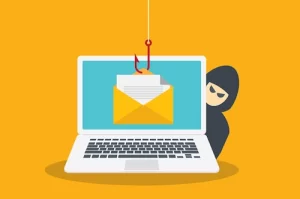
Hacking (Cyber Attack) is the act of gaining unauthorised access to computer systems, networks, accounts, or data. In a business context, hacking usually involves someone exploiting weaknesses in technology or user behaviour to access information they should not be able to see, change, or control. This access is often gained without the organisation’s knowledge and can lead to data theft, financial loss, service disruption, or reputational damage.
Most modern hacking is not about highly technical code-breaking. It commonly relies on simple tactics such as tricking users into revealing passwords, exploiting unpatched software, abusing weak security settings, or using stolen login details from previous data breaches. Once access is gained, attackers may steal data, monitor activity, spread malware, or lock systems through ransomware.
Common examples of hacking include:
 Phishing emails that steal usernames and passwords
Exploiting outdated or unpatched software vulnerabilities
Guessing or reusing weak passwords
Gaining access through unsecured WiFi or networks
Installing malware to spy on or control systems

Many small business owners believe hackers focus on large corporations with deep pockets and high-profile data. In reality, small and medium-sized businesses are often more attractive targets because they typically have fewer security controls in place and less time to dedicate to cyber defence. Modern cyber crime is highly automated. Attackers use scanning tools that sweep across thousands of businesses at once, searching for exposed systems, outdated software, weak credentials, or misconfigured cloud services. There is rarely a human deciding to target a specific small business. Instead, attackers exploit whatever weakness they find first.
Small businesses also tend to operate with lean teams, meaning IT responsibilities are often shared or secondary to other roles. This can lead to delayed updates, inconsistent security practices, or a lack of oversight across devices and users. Cloud services and remote working have further expanded the digital footprint of many SMEs, increasing the number of access points attackers can exploit.
Common reasons SMEs are targeted include:
 Limited or inconsistent patching and updates, leaving known vulnerabilities open
Weak, reused, or shared passwords across systems
User accounts with more permissions than necessary
Not using the correct licensing with Zero Trust
Little or no monitoring of login activity or device health
Staff with limited cyber awareness or training
A single compromised account or device can be enough to expose email systems, cloud platforms, customer data, and financial information. Once attackers gain a foothold, they often move quickly, escalating access, spreading malware, or extracting data before the business realises something is wrong. The result can be operational disruption, regulatory exposure, reputational damage, and loss of customer trust.
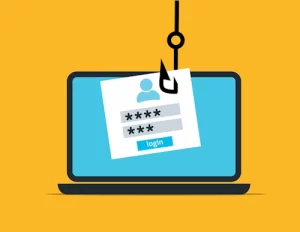 Understanding how cyber attacks typically occur is essential to reducing risk. Most hacking incidents fall into a small number of predictable categories, which makes them highly preventable with the right controls in place.
Phishing remains the most successful attack method against small businesses. Attackers send emails that appear to come from trusted sources such as banks, suppliers, delivery services, or even internal colleagues. These messages are designed to create urgency, prompting users to click links, open attachments, or enter login details. Once credentials are stolen, attackers can access systems without triggering traditional security alerts.
Ransomware continues to pose a serious risk. Malicious software encrypts files and systems, then demands payment for recovery. Even organisations with backups can face downtime, lost productivity, investigation costs, and reputational harm. Some ransomware attacks also involve data theft, increasing the risk of regulatory penalties and public exposure.
Credential-based attacks rely on the widespread reuse of passwords. Automated tools test usernames and passwords leaked from previous data breaches against business systems. If employees reuse passwords across services, attackers can gain access without exploiting technical vulnerabilities.
Unpatched vulnerabilities are another major cause of breaches. Attackers actively monitor newly disclosed flaws in operating systems, applications, routers, and firewalls. Businesses that delay updates often remain exposed long after fixes are available.
Reducing the risk of hacking is not about deploying complex tools or chasing the latest technology trends. For most small and medium-sized businesses, real protection comes from getting the fundamentals right and applying them consistently. Hackers typically exploit simple weaknesses such as poor password practices, unpatched systems, misconfigured networks, or gaps created by remote working. By focusing on proven controls and clear processes, businesses can significantly lower their exposure to cyber threats while keeping systems usable and teams productive. The following sections outline the core areas every organisation should address to build a stronger, more resilient security posture.
1. Strong Passwords and Multi-Factor Authentication
Passwords remain one of the weakest links in cybersecurity when they are poorly managed. Short, predictable, reused, or shared passwords significantly increase the likelihood of unauthorised access, especially when attackers use automated tools to test stolen credentials across multiple systems. A weak password policy can undermine even the most secure platforms.
A strong password policy should include:
 Unique passwords for every system and service
Minimum length and complexity requirements
No shared user accounts or generic logins
Use of password managers where appropriate
Multi-factor authentication adds a critical extra layer of protection by requiring a second verification step, such as a mobile app prompt or hardware token. Even if credentials are compromised, MFA prevents attackers from logging in without that additional factor. For small businesses, enabling MFA on email, cloud platforms, remote access tools, and administrator accounts is one of the simplest and most effective ways to reduce hacking risk.
2. Keeping Systems Updated with Regular Patching
Unpatched software remains one of the easiest routes into a business environment. Vulnerabilities are widely published and actively exploited, often within days of being disclosed. Attackers are well aware that many organisations delay updates due to time pressures or concerns about disruption.
Effective patch management should cover:
 Operating systems on all desktops, laptops, and servers
Business applications and line-of-business software
Browsers and productivity tools
Network devices such as routers, switches, and firewalls
Regular patching removes known weaknesses and significantly reduces the attack surface. Automated updates, monitoring, and reporting help ensure systems remain protected without relying on manual checks or individual users to apply fixes.
3. Network Security Basics That Keep Hackers Out
Your network is the gateway to your systems and data. Poorly configured firewalls, exposed services, or insecure WiFi can provide attackers with an easy route in, often without being noticed.
Key network security practices include:
 Firewalls configured correctly with unnecessary ports closed
Secure WiFi using strong encryption and modern standards
Separate networks for guests and business devices
Removal of unused services and default credentials
These measures reduce the risk of attackers gaining a foothold through misconfiguration, legacy settings, or overlooked infrastructure components.
4. Training Your Team to Spot Cyber Threats
Technology alone cannot stop hacking. Many attacks succeed because of human error rather than technical failure. Staff awareness is therefore a vital part of reducing risk and limiting damage when incidents occur.
Effective cyber awareness training helps employees:
 Recognise phishing and scam emails
Understand the importance of good password hygiene
Report suspicious activity quickly
Handle sensitive data securely
Training does not need to be complex or time-consuming. Short, regular sessions, real-world examples, and clear reporting processes can dramatically reduce the likelihood of successful attacks and help contain issues early.
5. Protecting Remote and Hybrid Workers
Remote and hybrid working has expanded the attack surface for many businesses. Devices now connect from home networks, shared workspaces, and client sites, often outside the protection of office-based controls.
To reduce hacking risks for remote workers, businesses should:
 Secure devices with encryption and endpoint protection
Enforce MFA for all remote access
Use cloud services with built-in security controls
Apply consistent policies regardless of location
Centralised management ensures remote users receive the same level of protection, visibility, and support as office-based staff, without creating gaps attackers can exploit.
6. Backups and Recovery as a Last Line of Defence
No system is completely immune to attack. Backups play a crucial role in reducing the impact of incidents such as ransomware, accidental deletion, or hardware failure.
Effective backup strategies include:
 Regular, automated backups
Secure off-site or cloud-based storage
Clearly defined recovery priorities
Routine testing to confirm restores work
While backups do not prevent hacking, they significantly reduce downtime and enable businesses to recover quickly and confidently when incidents occur.
7. Cyber Essentials and Reducing Hacking Risk
Cyber Essentials Certification is a UK government-backed certification designed to help businesses defend against common cyber attacks. It focuses on five core controls that address the most frequent attack methods. – To find out more read: What is cyber essentials?
 Protects your business against the most common cyber attacks by enforcing essential security controls
These controls cover firewalls, secure configuration, access control, malware protection, and patch management. When implemented properly, they can prevent a large proportion of everyday cyber attacks. For businesses operating across the UK, Spain, and Gibraltar, Cyber Essentials provides a recognised baseline that demonstrates commitment to security while delivering practical risk reduction.
8. Monitoring and Proactive IT Support
Reactive IT support leaves businesses exposed by addressing issues only after damage may have occurred. Proactive monitoring helps identify risks early, before attackers can exploit them.
Monitoring can highlight:
 Unusual login activity
Devices missing critical updates
Performance anomalies that may indicate compromise
Repeated failed access attempts
By identifying patterns and trends early, businesses can address weaknesses before they escalate into incidents.
9. Creating a Simple Cyber Security Framework
Reducing hacking risk is about consistency, not complexity. A simple, well-managed framework covering the basics will always outperform advanced tools that are poorly maintained.
A practical framework includes:
 Clear ownership of IT and security responsibilities
Defined policies that reflect real working practices
Regular reviews and continuous improvement
Support from experienced IT professionals
This approach keeps security manageable, sustainable, and aligned with business goals.
10. Training Your Team to Spot Cyber Threats
Technology alone cannot stop hacking. Many attacks rely on human error rather than technical failure. Staff awareness is therefore a vital part of reducing risk.
Effective cyber awareness training helps employees:
 Recognise phishing and scam emails
Understand the importance of password hygiene
Report suspicious activity quickly
Handle sensitive data securely
Training does not need to be complex. Short, regular sessions, practical examples, and clear reporting routes can dramatically reduce the likelihood of successful attacks and limit damage when incidents occur.