Access Control
The process of managing who can access systems, applications, or data and what actions they are permitted to take. Access control helps protect sensitive information and reduce security risk.
Antivirus / Endpoint Protection
Security software designed to detect, block, and remove malicious software such as viruses, ransomware, and spyware from devices including laptops, desktops, and servers.
Backup
A copy of business data stored separately from live systems so it can be restored in the event of data loss, cyber incidents, or system failure. Backups are essential for business continuity.
Business Continuity
A strategy that ensures critical business operations can continue during and after unexpected disruption, such as IT outages, cyber attacks, or system failures.
Cloud Computing
The delivery of IT services such as storage, software, and infrastructure over the internet rather than from on-site servers. Cloud services support flexibility, scalability, and remote working.
CMS (Content Management System)
Software used to manage digital content or internal systems such as websites, support ticketing platforms, and knowledge bases. A CMS allows controlled access and structured management.
Cybersecurity
The practice of protecting systems, networks, and data from digital threats. Cybersecurity includes technical controls, monitoring, policies, and user awareness.
Cyber Essentials
A UK government-backed cybersecurity certification scheme that helps organisations protect against common cyber threats. It focuses on secure configuration, access control, malware protection, and patch management.
Data Breach
An incident where unauthorised individuals gain access to sensitive or confidential data. This may result from cyber attacks, human error, or system misconfiguration.
Disaster Recovery
A structured plan for restoring IT systems, applications, and data after a major incident. Disaster recovery focuses on recovery speed and minimising data loss.
Encryption
A security method that converts data into an unreadable format unless accessed with the correct credentials. Encryption protects data at rest and in transit.
Endpoint
Any device that connects to a business network, including laptops, desktops, tablets, and mobile phones. Endpoints require security and management controls.
Endpoint Management
The central management of business devices, including updates, security policies, encryption, and remote support. Endpoint management improves consistency and security.
EPOS (Electronic Point of Sale)
Systems used by retail and hospitality businesses to process transactions. EPOS systems include hardware and software for payments, stock management, and reporting.
Firewall
A security system that monitors and controls network traffic based on defined rules. Firewalls help prevent unauthorised access to business systems.
Firewall Management
The ongoing configuration, monitoring, and maintenance of firewalls to ensure continued protection as business needs and threats evolve.
Helpdesk
A central point of contact for users to report IT issues or request support. Helpdesks use ticketing systems to track issues and ensure accountability.
Hybrid Working
A working model where staff split time between office and remote locations. Hybrid working requires secure access and consistent IT support.
IT Infrastructure
The combined hardware, software, networks, and systems that support business technology operations.
IT Service Management (ITSM)
A structured approach to delivering and improving IT services. ITSM focuses on reliability, accountability, and aligning IT with business needs.
Malware
Any malicious software designed to damage systems or gain unauthorised access, including viruses, ransomware, and spyware.
Monitoring
The continuous observation of systems, networks, and devices to detect performance issues or security threats early.
Network
A group of connected devices and systems that share data and resources. Business networks include wired and wireless infrastructure.
Network Monitoring
The continuous tracking of network performance and activity to identify faults, slowdowns, or suspicious behaviour.
Network Security
Measures used to protect a business network from unauthorised access and cyber threats. This includes firewalls, access controls, and secure configuration.
Patch Management
The process of applying software updates to fix vulnerabilities, improve stability, and maintain security.
Remote Access
Secure access to business systems from outside the office. Remote access supports remote and hybrid working while protecting data.
Remote Support
IT support delivered without attending site, using secure remote tools to resolve issues quickly.
Resilience
The ability of IT systems to withstand disruption and recover quickly from incidents.
Secure WiFi
A properly configured wireless network that uses encryption and access controls to protect data and prevent unauthorised access.
Service Level Agreement (SLA)
A documented agreement that defines service expectations such as response times, resolution targets, and availability.
Ticketing System
Software used to log, track, and manage IT support requests. Ticketing systems provide transparency and reporting.
Two-Factor Authentication (2FA)
A security method requiring two forms of verification before access is granted, typically a password and a secondary code.
User Account
A unique identity assigned to an individual to control access to systems and applications.
Virtual Private Network (VPN)
A secure connection that allows users to access internal systems over the internet as if they were on the company network.
VoIP Systems (Voice over Internet Protocol)
Business phone systems that operate over the internet rather than traditional phone lines. VoIP supports flexibility, remote working, and advanced call features.
Zero Trust
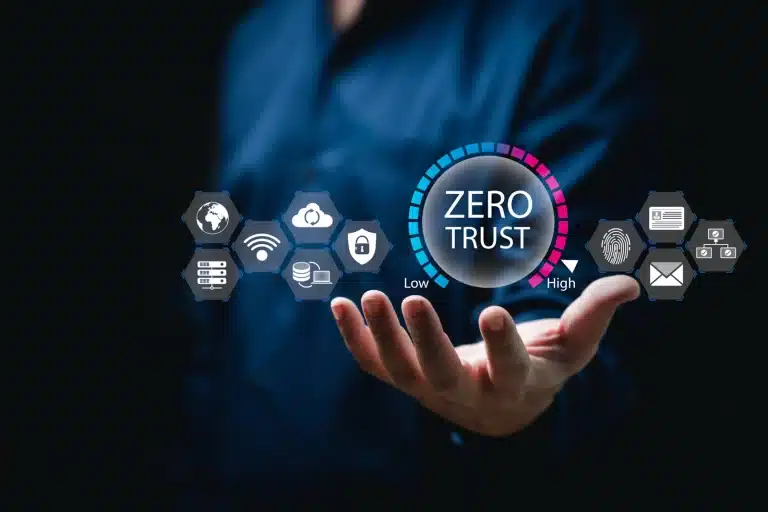
A security model that assumes no user or device is trusted by default. Access is granted only after verification and limited to what is necessary.





 on FACEBOOK & LINKEDIN | Professional IT Services